2026 World Cup Watch Parties: Where U.S. Venues Can Drive Foot Traffic with LED Big Screens (Beyond Stadiums)
The 2026 FIFA World Cup will be the biggest live-sports foot traffic event North America has seen in decades. And for most U.S. businesses, the real money won’t be made inside stadiums—it will be made in the places fans sleep, eat, drink, shop, and gather before and after matches.
Here’s the core insight: an LED big screen is the fastest way to turn casual foot traffic into “watch party” dwell time. And dwell time is what drives high-margin sales—food, drinks, retail add ons, and repeat visits.
This guide is written for American operators—bars and restaurants, commercial property managers, and LED screen rental companies—who want a location-specific plan to win beyond the stadium.
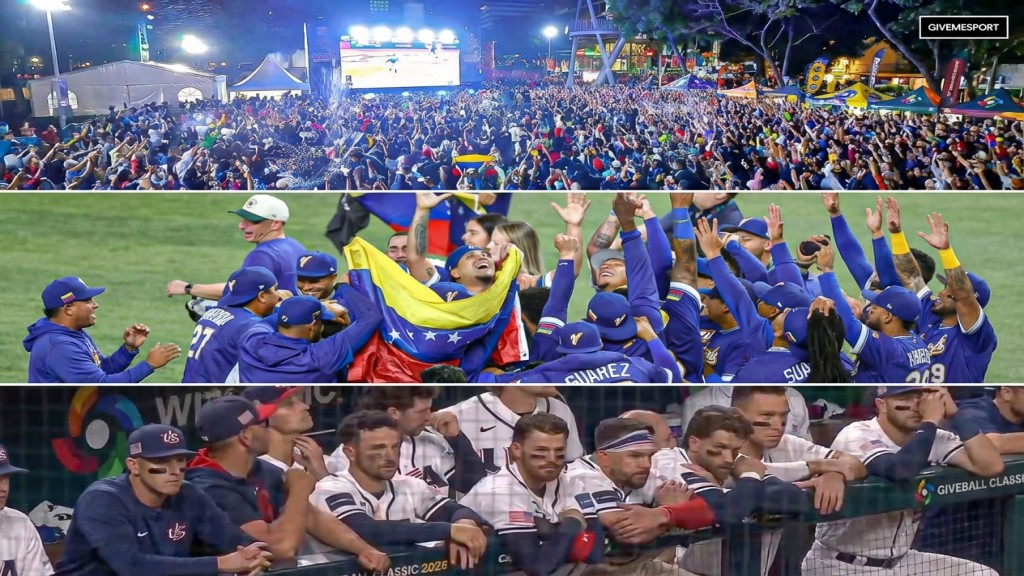
1) Why this is a once in a generation opportunity (for the U.S.)
The United States is hosting World Cup matches again at scale, spread across 11 U.S. host cities (alongside Canada and Mexico). That means weeks of match nights, traveling fans, corporate groups, and locals looking for a “home base” to watch.
Just as importantly: visitor spending concentrates outside venues—in hospitality, transportation, dining, and retail. Whether a fan has a ticket or not, they still need a place to meet friends, grab food, and watch the action.
The U.S. behavior pattern you can bank on
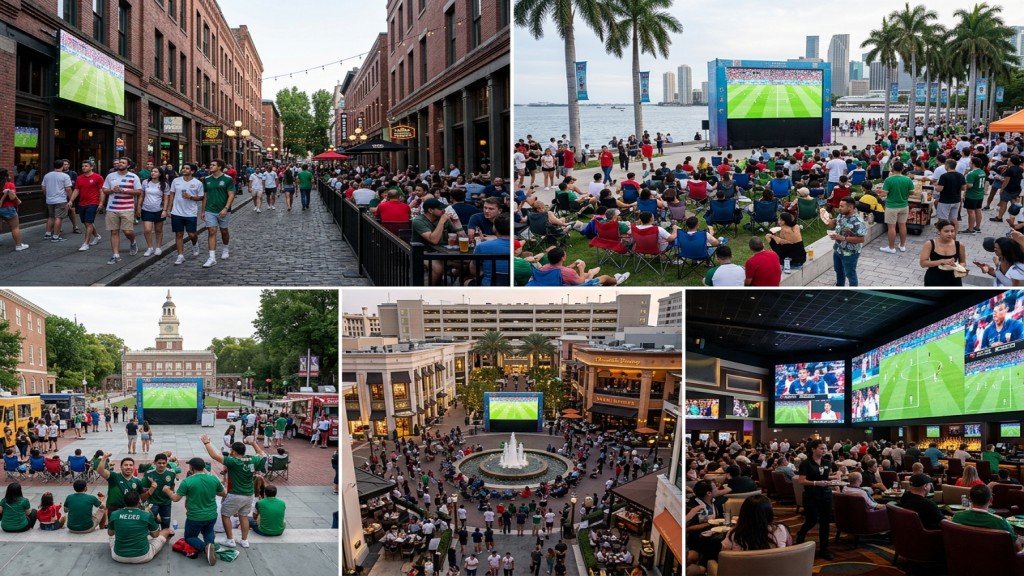
Americans don’t only choose a single venue. They choose a district:
- 1.a bar corridor with options,
- 2.a waterfront promenade with atmosphere,
- 3.a plaza next to a landmark,
- 4.a mall or lifestyle center with parking,
- 5.a hotel/casino complex where the whole night happens in one place.
LED big screens create “stop power.” If people can see a match from the sidewalk or plaza, they stop. If the view and sound are good, they stay. If they stay 60–120 minutes, they spend.
Stop → Stay → Spend is the World Cup business model in one line.
2) Which U.S. locations & venues win biggest (highly specific to America)
Below are the most profitable non stadium categories in the U.S. market—tied to American real estate patterns and the kinds of landmarks that naturally concentrate crowds.
1) Sports bars, breweries & neighborhood taverns (especially with patios)
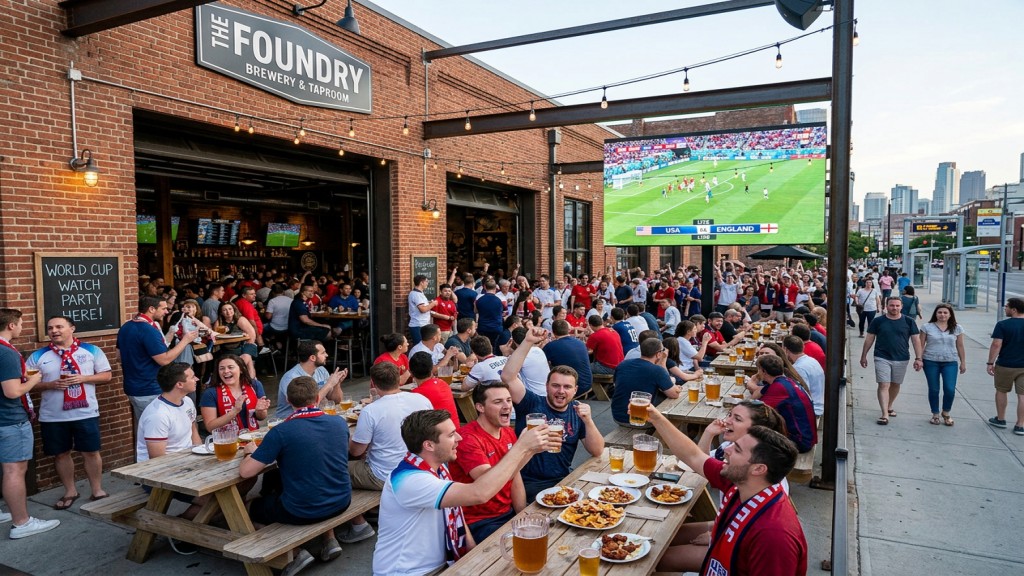
Where they win (the “pin drop” spots):
- 1.entertainment districts near arenas/stadium corridors (even if not a World Cup venue)
- 2.bar-lined downtown streets around transit stops
- 3.brewery clusters in converted warehouse districts
- 4.suburban commercial strips with easy parking
Why it’s so profitable:
A sports bar watch party is already a proven American habit: shared tables, rounds of drinks, appetizers, and staying through the full match window.
How LED changes the math:
A street-facing LED wall or patio screen turns “we might go out” into “this is the place.” It also lets you monetize overflow when indoor seats fill.
Search terms people actually use: “World Cup watch party near me”, “sports bar big screen”, “outdoor watch party bar”.
2) Downtown plazas, waterfronts & city owned public spaces (public viewing / fan zones)
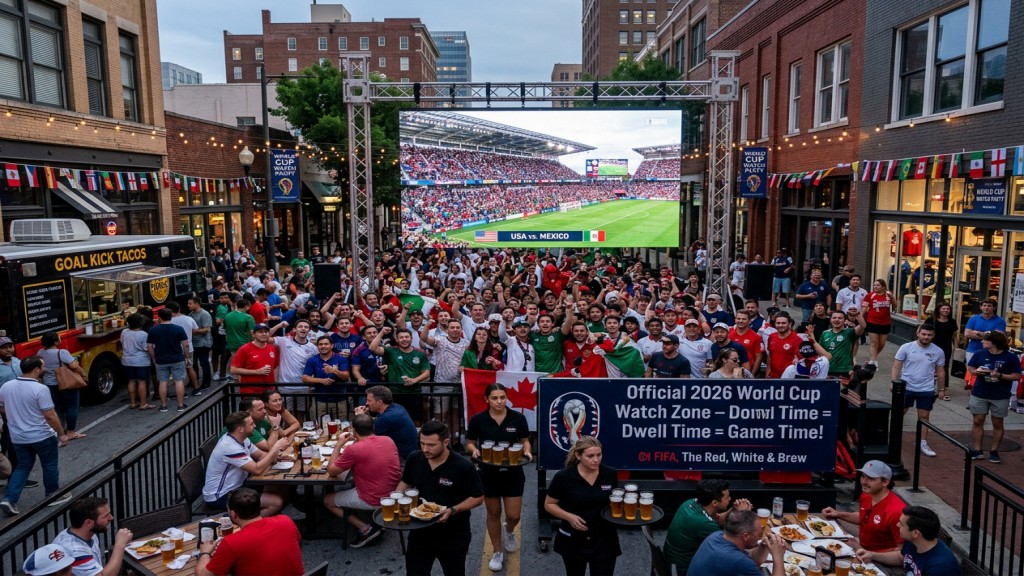
Where they win:
- 1.city hall plazas and civic centers
- 2.main pedestrian streets (“Main Street” style districts)
- 3.park-adjacent lawns and amphitheater-style steps
- 4.waterfront promenades and riverwalks (high foot traffic + natural gathering)
Why it’s so profitable:
U.S. cities regularly run public events in these spaces. During the World Cup, they become the obvious public viewing or “fan zone” footprint, which drives business for multiple blocks.
LED screen advantage:
LED is daylight-readable and scalable—critical for outdoor crowds and daytime matches.
Monetization: vendor fees (food trucks/merch), sponsorship, nearby restaurant/bar lift, paid VIP zones (where permitted).
3) Lifestyle shopping malls & open air lifestyle centers (a uniquely U.S. retail engine)
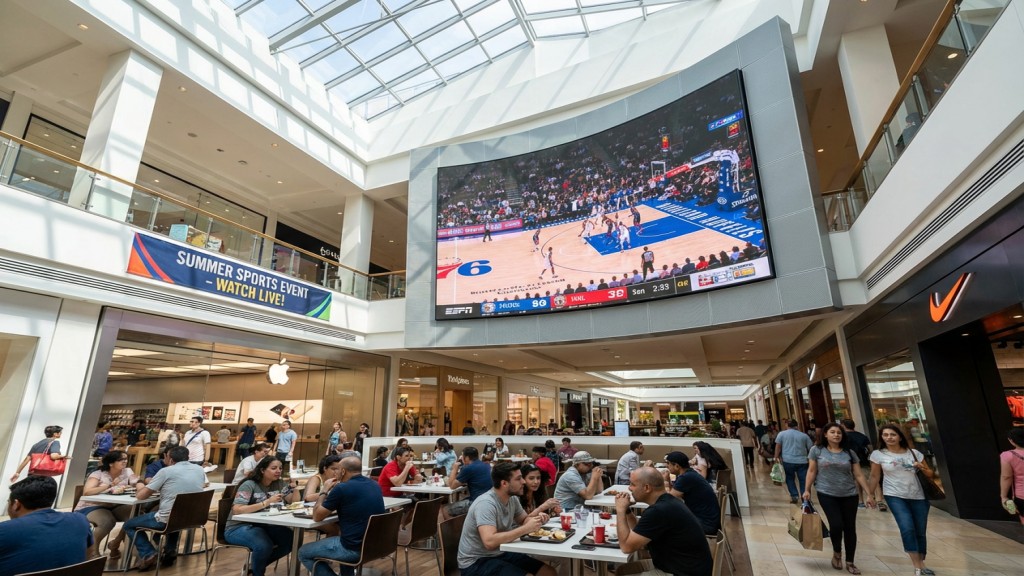
Where they win:
- 1.mall atriums and food court zones
- 2.open-air lifestyle centers (walkable retail + dining + parking)
- 3.outlet entrances and central plazas
Why it’s so profitable:
Americans mix shopping and entertainment. A big match on a big screen increases dwell time, and dwell time lifts food court and impulse retail.
LED screen advantage:
One screen can lift multiple tenants, which makes co funding and sponsorship much easier for property managers.
Search terms: “mall event ideas”, “increase dwell time”, “public screening at shopping center”.
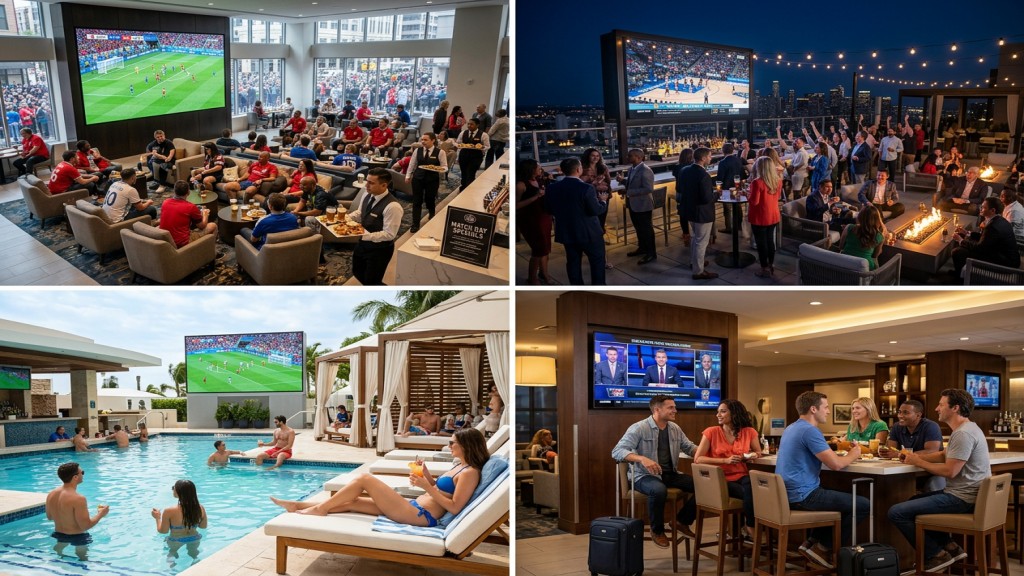
4) Hotel lobbies, rooftop bars & resort pool decks
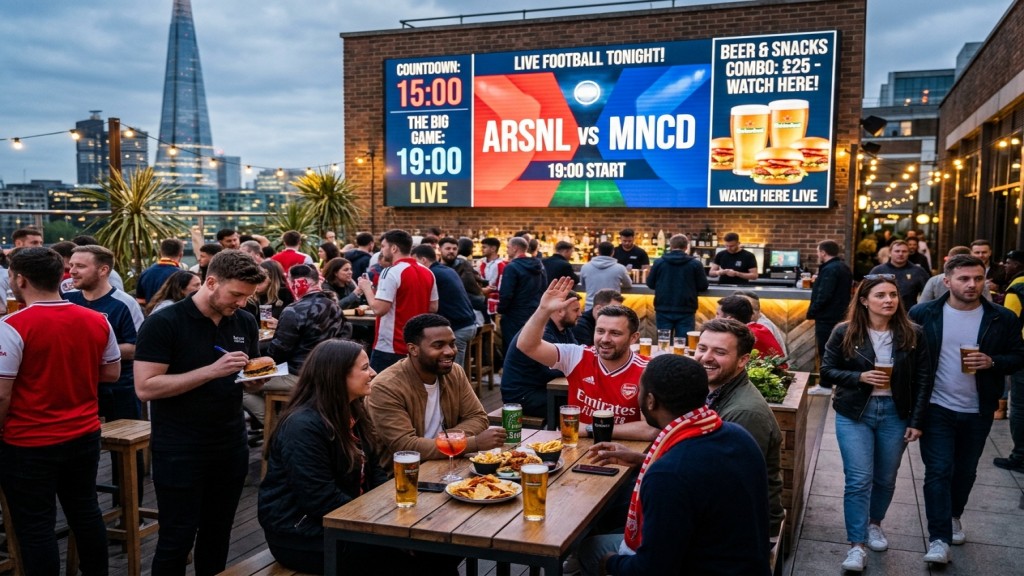
Where they win:
- 1.downtown hotels near nightlife
- 2.airport-area hotels with stranded or early-arrival travelers
- 3.resorts in tourist zones (pool deck viewing is a magnet)
- 4.hotels within a short rideshare of match districts
Why it’s so profitable:
Traveling fans want a safe, social, predictable place to watch—without fighting crowds. Hotels can package the experience.
LED screen advantage:
A lobby LED wall turns a hotel into “the place to stay” for match nights—driving F&B revenue and group bookings.
Monetization: ticketed watch parties, F&B packages, corporate buyouts, sponsor nights.
5) Casinos & large entertainment complexes (Vegas and beyond)
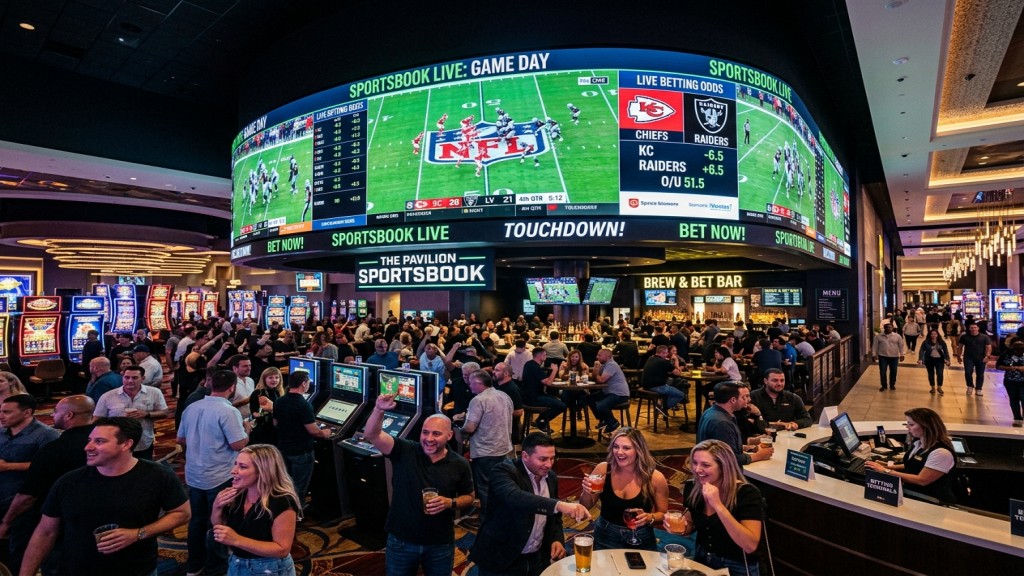
Where they win:
- 1.casino sports bars and sportsbook-adjacent spaces
- 2.entertainment corridors that already run live-event programming
- 3.regional casinos within driving distance of host cities
Why it’s so profitable:
Casinos are built to maximize dwell time. Live sports increases energy, and energy increases spend—gaming, food, drinks, and retail.
LED screen advantage:
Big screens handle big crowds and keep attention anchored in one place.
6) Airports & transportation hubs (capturing 60–120 minutes of “forced dwell”)
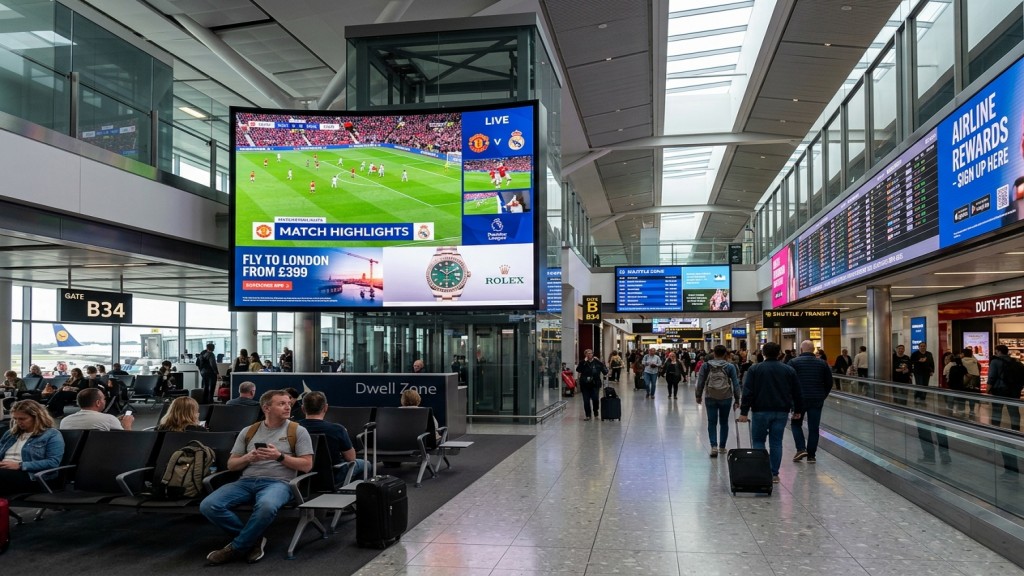
Where they win:
- 1.international terminals and arrivals corridors
- 2.train stations and downtown transit hubs
- 3.rental car centers and airport hotel shuttle zones
Why it’s so profitable:
Travelers have dead time. A live match on a big screen turns waiting into purchasing—coffee, snacks, quick meals—and sells ad inventory to local businesses.
LED screen advantage:
High-brightness, high-clarity messaging plus match highlights creates attention where traditional signage gets ignored.
7) University districts & mixed use “live–work–play” developments
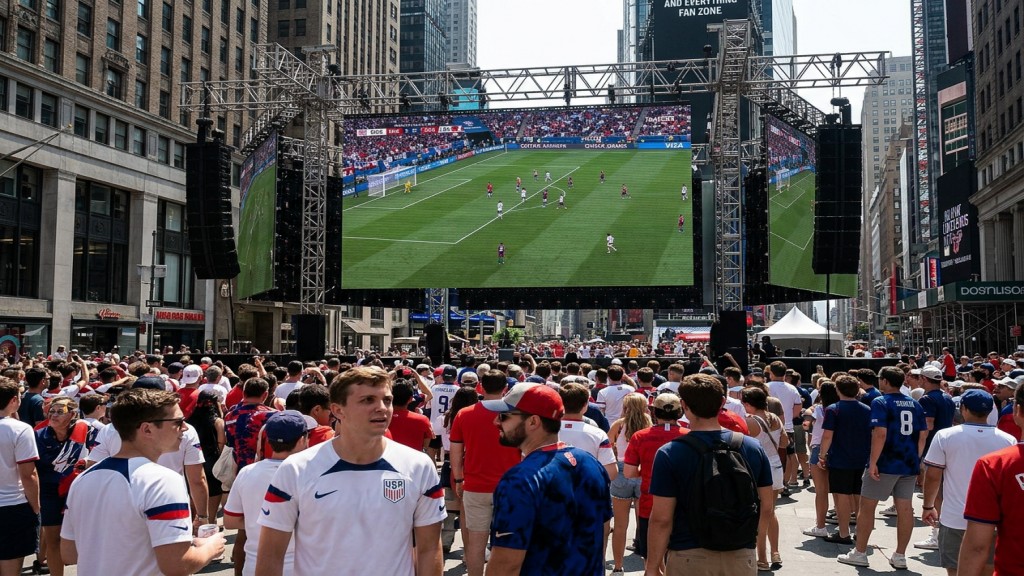
Where they win:
- 1.college-town commercial strips near campus gates
- 2.mixed-use districts built around arenas, parks, and food halls
- 3.walkable neighborhoods with dense restaurants and bars
Why it’s so profitable:
Young fans and community groups form repeat routines fast. If you become their hub early, you win the entire tournament.
LED screen advantage:
Instant gathering spot + repeatable programming (“Match Night at the Plaza”) drives weekly cadence.
3) How U.S. Venues Use LED Screens to Build Profitable World Cup Watch Parties
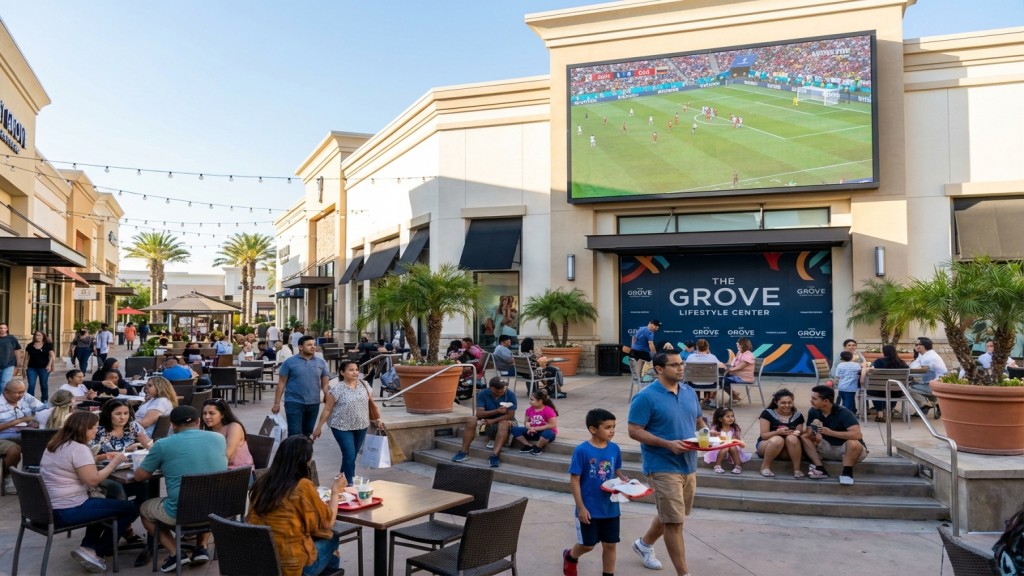
In the U.S., location + LED = revenue, when you treat the screen as an event engine—not a TV replacement.
What to do (the practical playbook)
Place the screen where it’s visible to foot traffic
Street-facing, plaza-facing, patio-facing beats “inside where no one sees it.”
Program the match window, not just the match
- 1.pre-game: countdown + specials + reservations QR code
- 2.halftime: fast menu + refill promos
- 3.post-game: late food + next match schedule (to drive repeat visits)
- Package spending (Americans buy bundles)
- 1.table minimums on big games
- 2.pitcher + platter bundles
- 3.VIP standing wristbands (first drink included)
- 4.group packages for 6–12 people
- Sell sponsorship and ad loops (especially for plazas/malls) LED screens create premium inventory:
- 1.“Presented by” sponsor
- 2.15-second ad loop slots
- 3.branded fan cam moments
- 4.Stadium access
- 5.Official FIFA sponsorship
- 6.Major construction
- 7.Permits and safety for outdoor public gatherings (especially city spaces)
- 8.Noise rules and event curfews
- 9.Correct commercial viewing rights for your venue/broadcast provider (rules vary)
What you don’t need
What you do need to confirm
If you’re a rental company, building these checks into your proposal is a competitive edge—buyers pay more for certainty.
4) Conclusion: the real 2026 World Cup LED gold rush is “right outside your door”
The biggest World Cup wealth won’t be captured only by stadium operators. It will be captured by the places that define American commercial life: bars, plazas, malls, hotels, casinos, airports, and mixed use districts.
If you control a high visibility location and can deploy an LED big screen (or rent one quickly), you can turn: passersby → fans → customers → cash.
The businesses that win won’t be the ones with the biggest screens. They’ll be the ones with the best pin-drop locations, the best match-night packaging, and the smoothest execution.
Quick FAQ
How much does LED screen rental cost for a World Cup watch party?
Pricing depends on screen size, indoor vs outdoor, rigging, power, audio, and technician hours. Request a turnkey quote (screen + structure + crew) to compare fairly.
Do I need a permit for a public viewing / fan zone?
Often yes—especially outdoors. Start with your city/municipality and ask about public assembly, amplified sound, alcohol service, and security requirements.
What should I search for to find a provider?
Use both terms depending on region: “LED screen rental” (U.S.) and “LED screen hire” (UK/EU), plus your city name.
CTA
The winners in 2026 won’t be the venues with the biggest screen—they’ll be the venues that don’t fail on match night. In the U.S., most “watch party” losses come from the same issues: the screen isn’t bright enough in daylight, audio is weak, power and rigging aren’t planned, or a single technical failure kills the crowd (and the bar tab) at halftime.
MPLED is built to remove those failure points. We supply stage‑rental LED screens and DOOH‑grade displays that are proven in high‑pressure environments (concerts, live events, and professional productions where color and reliability matter). More importantly for World Cup operations, MPLED supports fast, predictable delivery and service through warehouses and service points across the U.S., Canada, Japan, and key European markets (Italy, Poland, Spain, Germany)—so you can scale from one site to multi‑city rollouts without reinventing logistics each time.
If you’re planning a 2026 World Cup watch party, send MPLED three details—city, indoor/outdoor, and expected crowd size—and we’ll recommend a screen size and deployment plan designed to keep people watching (and spending) all night.
Post time: Mar-20-2026


